
McKinney Bankruptcy Records
McKinney bankruptcy records are handled by the Eastern District of Texas Bankruptcy Court through its Sherman Division. If you need to find a bankruptcy case or check the filing status of a case linked to McKinney, the federal court is where you start. McKinney sits in Collin County, which is one of the fastest-growing counties in Texas, and the volume of bankruptcy filings reflects that growth. You can search case records through the federal PACER system or visit the court in person. Both active cases and closed files are available to the public under federal access rules.
McKinney Overview
Federal Bankruptcy Court for McKinney
McKinney is served by the Eastern District of Texas Bankruptcy Court, Sherman Division. This court covers Collin County along with a number of other North Texas counties. Cases from McKinney are filed under the Sherman Division, and hearings are typically held in Plano. The court handles Chapter 7 liquidation cases, Chapter 11 reorganizations, and Chapter 13 repayment plans.
The Eastern District courthouse for the Sherman Division is located in Sherman, but most hearings for Collin County filers take place in Plano. That is the closest court location to McKinney residents. If you are filing or attending a hearing, confirm the exact location with the clerk before you go, since hearing venues can vary by judge.
| Court | Eastern District of Texas Bankruptcy Court |
|---|---|
| Division | Sherman Division (hearings often in Plano) |
| Website | txeb.uscourts.gov |
| County | Collin County |
| U.S. Trustee | Region 6 (Dallas) |
The U.S. Trustee for Region 6 oversees bankruptcy cases in the Eastern District. The trustee's office reviews filings, monitors compliance, and can object to cases that do not meet the requirements of the Bankruptcy Code. Contact information for the U.S. Trustee offices is available through the Department of Justice.
McKinney Bankruptcy Records Search
The main tool for searching McKinney bankruptcy records is PACER, which stands for Public Access to Court Electronic Records. It is the federal system that holds case data for all U.S. bankruptcy courts. You can search by debtor name, case number, or Social Security number (last four digits). PACER charges a small per-page fee for records, but many searches are free if you stay under the fee threshold. You need a PACER account to access most records.
The City of McKinney official site at mckinneytexas.org can help you find local court locations, legal aid contacts, and other city resources. For the county-level records that run alongside bankruptcy cases, the Collin County Clerk maintains property and civil records that may relate to debts, liens, or judgments tied to a bankruptcy.
When you search PACER, you can pull up the full docket for any case. That includes the petition, schedules, motions, and any orders the judge has signed. You can also check if a discharge was granted. For older cases not yet in PACER, you may need to contact the clerk directly or request records from the National Archives.
The Eastern District of Texas also posts general filing information and local rules on its website. These rules affect how cases move through the court and what documents the debtor must file along with the petition.
The City of McKinney maintains its official portal at mckinneytexas.org, where residents can find local resources and government contacts.
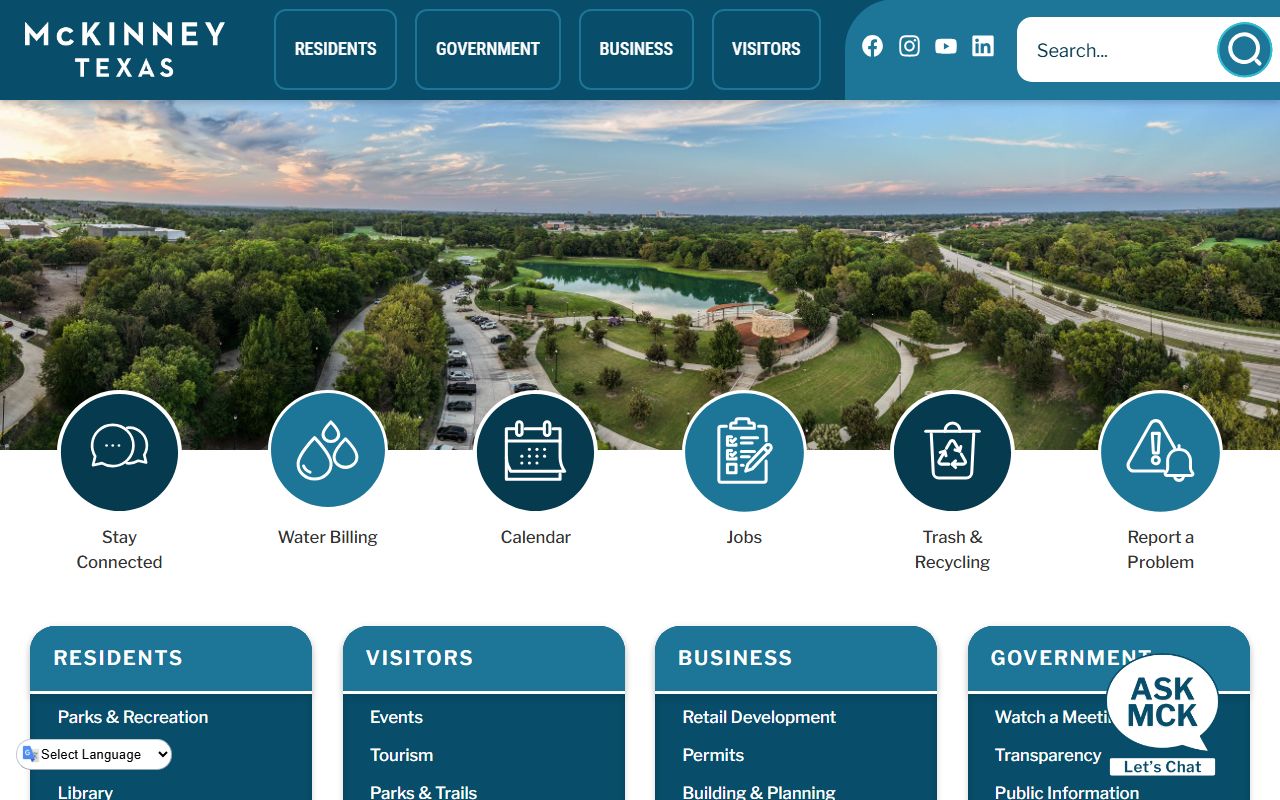
McKinney is the county seat of Collin County and the largest city in the county by population. Residents filing bankruptcy use the Eastern District of Texas court system.
Filing Bankruptcy in McKinney
Residents of McKinney file bankruptcy in the Eastern District of Texas. The process starts with a petition, schedules of assets and debts, and a means test calculation. Under 11 U.S.C. § 107, most bankruptcy records are public, so anyone can access them after the case is filed. The only sealed documents are those the court has specifically restricted.
Chapter 7 is the most common type for individuals. It wipes out qualifying unsecured debt, like credit cards and medical bills, after the trustee reviews your assets. Most Chapter 7 cases in this district result in a no-asset finding, meaning the trustee does not sell anything. The process takes about three to six months from start to discharge. You must pass the means test, which checks whether your income is below the Texas median for your household size.
Chapter 13 is for people with regular income who want to keep assets like a home and catch up on missed mortgage payments. You propose a three- to five-year repayment plan, and if the court approves it and you complete the payments, you get a discharge. Chapter 11 is available too, mainly for businesses or individuals with very large debts. Filing fees vary by chapter. The court's website has the current fee schedule.
Before filing, you must take a credit counseling course from an approved provider. After filing, you take a debtor education course before the court grants a discharge. Both courses are required under federal law and must come from agencies approved by the U.S. Trustee Program.
Note: McKinney filers should verify the exact hearing location before attending court, since Collin County hearings may be scheduled in Plano rather than Sherman.
Collin County government information is available through the county's official website, which includes links to court records and the county clerk's office.

Collin County is home to McKinney and several other fast-growing cities. The county clerk's office handles property and civil records that may intersect with bankruptcy filings.
McKinney Resources
If you need legal help with a bankruptcy case in McKinney, several resources are available in the area. North Texas legal aid organizations serve Collin County residents, and many offer free consultations for people who qualify based on income. The State Bar of Texas runs a lawyer referral service that can connect you with a local bankruptcy attorney.
The Eastern District of Texas Bankruptcy Court website has forms, local rules, and general information about the filing process. You can also find information about the means test, required documents, and court fees. The court's self-help resources are a good first stop if you are not sure where to begin.
For general bankruptcy guidance, U.S. Courts provides an overview of each chapter type, how the discharge process works, and what filers can expect. The Collin County Clerk can help with local records like deeds, liens, and judgments, which are separate from the federal bankruptcy file but often related.
Legal aid options in the DFW area include organizations that offer free or low-cost help with bankruptcy paperwork. Some run workshops or clinics where you can get one-on-one help filling out forms. Call the State Bar of Texas referral line at (800) 252-9690 for attorney contacts in Collin County.
Below are some key resources for McKinney residents dealing with bankruptcy matters:
Nearby Cities
Other North Texas cities with bankruptcy record pages on this site:
Collin County Bankruptcy Records
McKinney is the county seat of Collin County. All bankruptcy cases for McKinney residents are filed under the Eastern District of Texas and tied to Collin County records. For more detail on the county court system and related resources, visit the Collin County bankruptcy records page.