
Find Bankruptcy Records in Floyd County
Floyd County bankruptcy records are maintained by the Northern District of Texas Bankruptcy Court, Lubbock Division. The county seat is Floydada, and residents file all federal bankruptcy cases through the Lubbock Division at the George Mahon Federal Building. You can search Floyd County bankruptcy filings using PACER or by calling the court's voice information line. This page explains the filing process, record access, and key resources for Floyd County.
Floyd County Overview
Floyd County Bankruptcy Court - Lubbock Division
The Lubbock Division of the Northern District of Texas handles bankruptcy cases for Floyd County. The division office is at the George Mahon Federal Building, 1205 Texas Ave., Room 306, Lubbock, TX 79401. The full court website is at txnb.uscourts.gov. Floyd County is in the Texas Panhandle, and the Lubbock Division serves this region of West Texas.
The court uses the CM/ECF system for electronic filing. Attorneys must file electronically, but pro se filers (people without lawyers) can file paper documents at the clerk's office. All forms for Northern District filings are available at txnb.uscourts.gov/forms. Floyd County filers should use Northern District versions of all forms, not just the federal Official Forms.
| Court | Northern District of Texas Bankruptcy Court |
|---|---|
| Division | Lubbock Division |
| Address | George Mahon Federal Building, 1205 Texas Ave., Rm 306, Lubbock, TX 79401 |
| Website | txnb.uscourts.gov |
| Case Info Line | 866-222-8029 |
The Floyd County Government website provides access to county services and property records maintained at the Floydada courthouse.
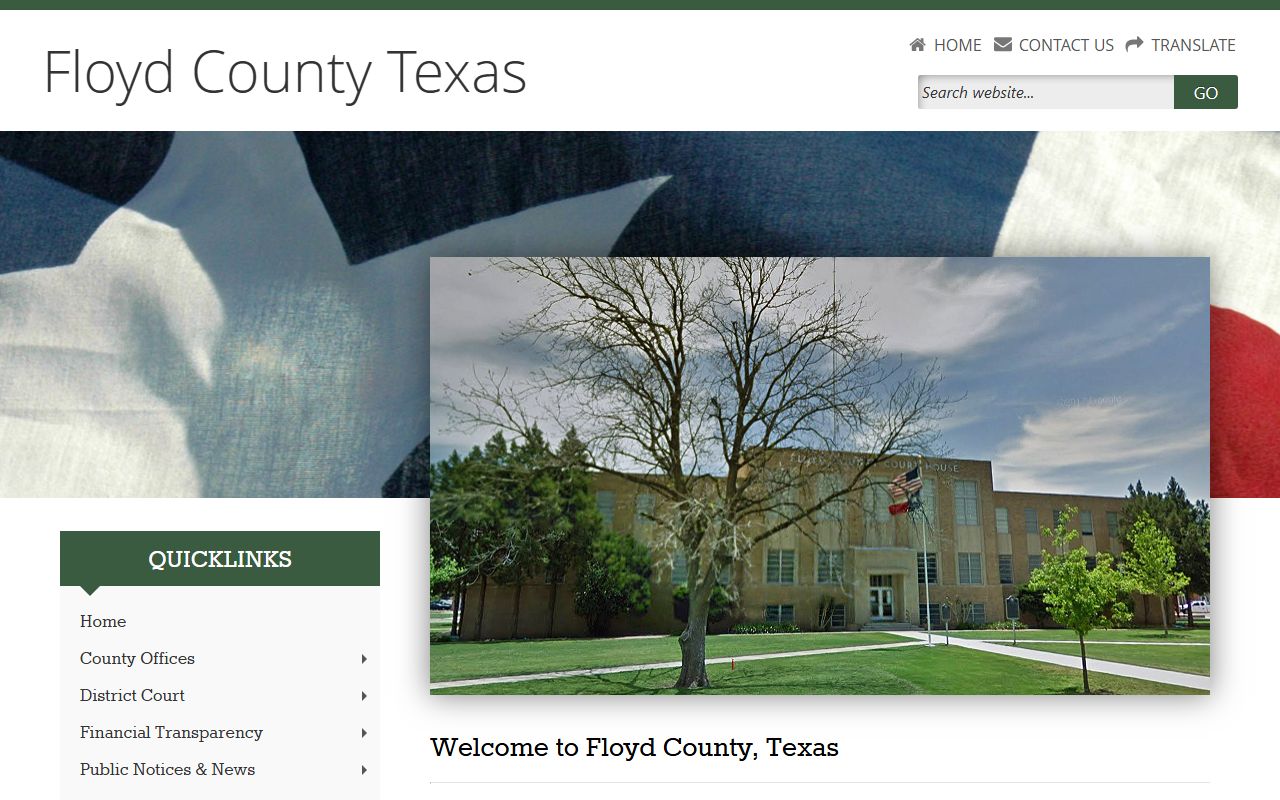
Floyd County property records are kept at the county level and are separate from federal bankruptcy filings. Both sets of records may be relevant when researching a bankruptcy case in Floyd County.
Searching Floyd County Bankruptcy Cases
PACER is the main tool for searching Floyd County bankruptcy records. Create a free account at pacer.uscourts.gov, then select the Northern District of Texas to search. You can search by debtor name, case number, or Social Security number. Most searches return results quickly and show the full docket of each case.
The docket lists every action taken in the case. You can see when the petition was filed, when the 341 meeting of creditors was held, whether creditors objected to discharge, and when the court issued a final order. Clicking on any docket entry lets you download the document for a per-page fee. Most individual documents cost just a few cents to access.
You can also use the Voice Case Information System at 866-222-8029. This is a free phone line that gives basic case information like filing date, case number, and discharge status. It works for anyone who knows the debtor's name or case number.
Under 11 U.S.C. § 107, bankruptcy records are public. Anyone can view them. The law does require that certain personal identifiers like full Social Security numbers be redacted from publicly available filings, but the substantive content of the case is open to all.
Floyd County Chapter 7 and Chapter 13 Filings
Chapter 7 is the most common bankruptcy type in Floyd County. It wipes out unsecured debts like credit cards and medical bills after a trustee reviews your assets. Texas exemptions protect most property that residents own. The unlimited homestead exemption is especially helpful for rural Texas counties where land ownership is common. Chapter 7 cases typically finish in about four months.
Chapter 13 lets filers keep their property while paying debts over three to five years. This is useful for people who are behind on a mortgage and want to catch up through a court-approved plan. The plan must pay certain debts in full, including mortgage arrears and priority taxes. At the end of the plan, remaining dischargeable debts are wiped out.
Chapter 12 is a less common option that applies to family farmers and fishermen. Floyd County, being an agricultural area, may see some Chapter 12 filings. It works similarly to Chapter 13 but with special provisions suited to farming operations, including seasonal payment schedules.
Note: All bankruptcy chapters require credit counseling from an approved agency within 180 days before filing. The Northern District maintains a list of approved credit counseling providers.
U.S. Trustee and Case Administration
Floyd County cases fall under U.S. Trustee Region 6, based in Dallas. The U.S. Trustee appoints a panel trustee to each Chapter 7 case who reviews the petition and schedules for accuracy. The trustee holds the 341 meeting, which the debtor must attend in person. This meeting usually lasts just a few minutes for straightforward cases.
In Chapter 13 cases, a standing trustee handles all cases in the division. This trustee reviews the proposed payment plan, collects monthly payments from the debtor, and distributes funds to creditors. The U.S. Trustee regional offices page has contact information for Region 6.
What Floyd County Bankruptcy Records Show
A Floyd County bankruptcy file starts with the voluntary petition. This form identifies the debtor, their address, which chapter they are filing under, and basic financial data. Attached to the petition are the official schedules. Schedule A/B lists real and personal property. Schedule C shows the exemptions the debtor claims. Schedule D through F list secured, priority, and general unsecured creditors with the amounts owed to each.
The statement of financial affairs discloses the debtor's income for the past two years, recent large payments to creditors, lawsuits, and other financial events. This document helps the trustee spot potential preferences or fraudulent transfers. A means test form is also required for Chapter 7 filers to show their income is below the Texas median or that they pass the full means test.
After the case closes, the discharge order becomes part of the permanent record. A discharge order is the court's declaration that the listed debts are no longer the debtor's legal obligation. Creditors who hold discharged debts cannot try to collect them. The discharge is a public document and remains in the court's records indefinitely.
Nearby Counties
These Panhandle counties neighbor Floyd County and file through the same Northern District.